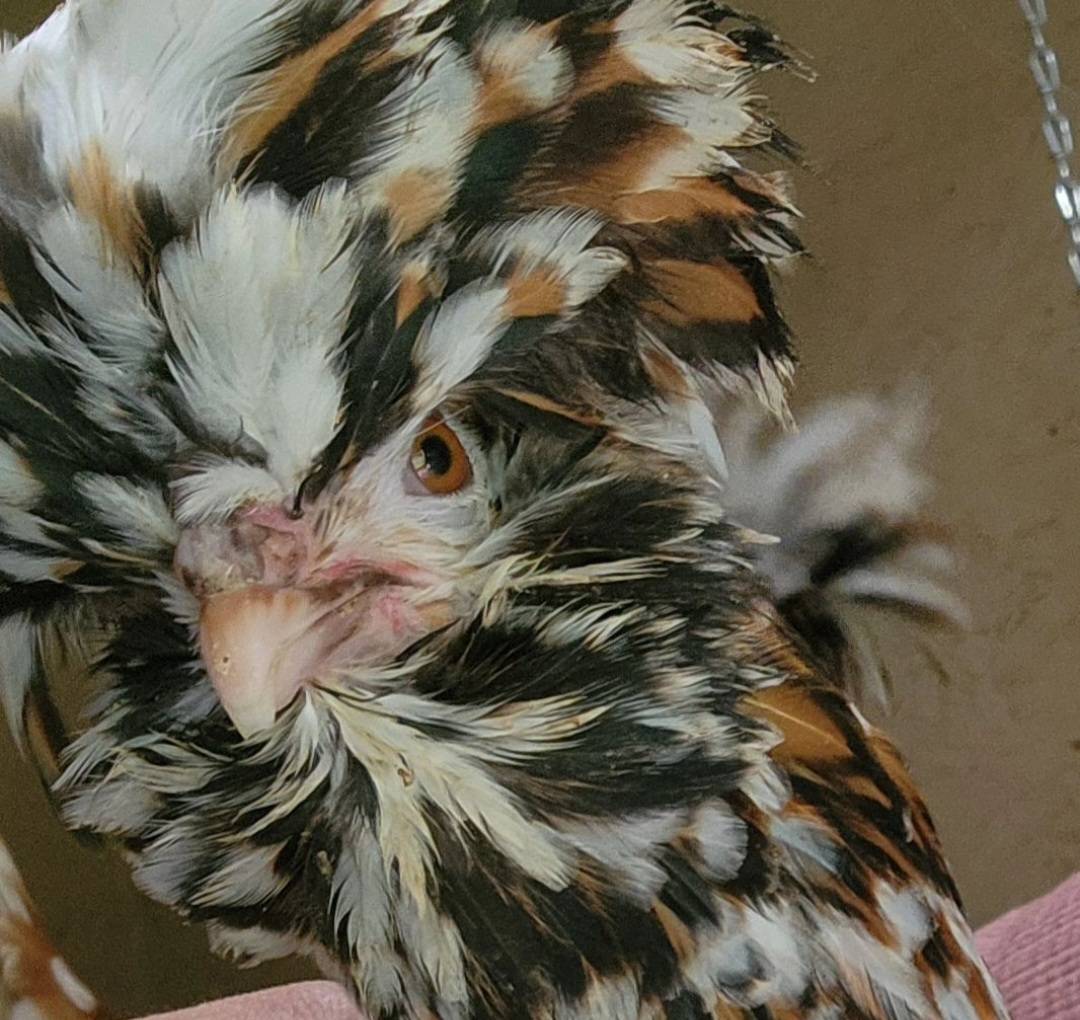
Choosing the Right Chicken Breed for Your Family
Choosing your first chickens is one of the most exciting parts of starting a flock. With hundreds of breeds available—each with different personalities, appearances, egg-laying abilities, and care requirements—it can also be a little overwhelming!
The truth is, there isn’t one “best” chicken breed. The best breed is the one that fits your family, climate, property, and reasons for keeping chickens.
Before falling in love with those fluffy feet or fabulous feathered crests (although we completely understand!), here are some important things to consider when choosing chickens for your family.
What Do You Want From Your Chickens?
The first question to ask yourself is simple:
Why do you want chickens?
Some families primarily want fresh eggs, while others are looking for friendly backyard pets. You may want chickens for breeding and showing, or perhaps you’re drawn to beautiful ornamental breeds.
Your answer can help narrow down your choices considerably.
If Eggs Are Your Priority
Some breeds have been developed specifically for excellent egg production.
Popular laying breeds include:
- Leghorns
- Rhode Island Reds
- Australorps
- Plymouth Rocks
- Sussex
- Production-type hybrids such as ISA Browns
Keep in mind that egg production can vary between individual birds and is influenced by age, nutrition, daylight, health, stress, and season.
If You Want Friendly Family Chickens
For many backyard keepers, personality is just as important as egg production.
Breeds commonly known for having friendly or relatively calm temperaments include:
- Silkies
- Cochins
- Orpingtons
- Brahmas
- Plymouth Rocks
- Sussex
Individual personalities still vary tremendously. You can have an incredibly affectionate bird from a typically independent breed—or a particularly spicy chicken from a breed known for being gentle!
Consider Your Climate
Climate is especially important when choosing chickens.
Some breeds handle cold winters exceptionally well, while others are better suited to warmer environments.
Chickens for Colder Climates
Cold-hardy breeds often have heavier bodies and smaller combs, which can make them better suited to cold conditions.
Some popular choices include:
- Chanteclers
- Wyandottes
- Brahmas
- Australorps
- Plymouth Rocks
Large single combs and wattles can be more susceptible to frostbite during extremely cold weather.
That doesn’t necessarily mean you can’t keep those breeds in a cold climate. It simply means they may require additional management and careful monitoring during winter.
Chickens for Hotter Climates
Breeds with lighter bodies and larger combs often tolerate hot weather better because their combs and wattles help release body heat.
Examples include:
- Leghorns
- Minorcas
- Andalusians
Regardless of breed, chickens need access to shade, ventilation and plenty of fresh water during hot weather.
How Much Space Do You Have?
Your available space should also influence your breed selection.
Large breeds such as Brahmas and Cochins naturally take up more room than bantams.
If you have limited space, bantam breeds may be worth considering.
Bantams are miniature chickens, although some are true bantam breeds with no large-fowl equivalent.
Popular bantams include:
- Silkies
- Sebrights
- Seramas
- Belgian d’Uccles
- Bantam Cochins
Don’t assume that smaller chickens automatically require tiny living spaces, though. They still need plenty of room to exercise, forage and escape flock mates when necessary.
Do You Have Children?
If your children will be interacting with the flock, temperament should be high on your priority list.
Calmer breeds can make wonderful family chickens, particularly when they’re handled gently and regularly from a young age.
Silkies and Cochins are especially popular among families because many individuals have calm, approachable personalities.
However, children should always be taught how to safely interact with chickens.
Teach children to:
- Hold chickens gently
- Never chase them
- Avoid squeezing or grabbing wings
- Wash their hands after handling poultry
- Respect a chicken that wants to move away
Positive interactions make chicken keeping more enjoyable for everyone—including the chickens!
Standard Chickens vs. Bantams
One of the choices you’ll encounter is whether you’d like standard-sized chickens, bantams, or both.
Standard Chickens
Standard breeds are generally larger and often produce larger eggs.
They may be ideal if egg production is one of your main priorities.
Bantams
Bantams are much smaller and often produce smaller eggs.
They’re incredibly popular with people who keep chickens primarily as pets or enjoy ornamental poultry.
And don’t underestimate them—many bantams pack an impressive amount of personality into a very tiny chicken!
Consider Egg Colour
One of the really fun parts of building a backyard flock is creating a colourful egg basket.
Depending on breed and genetics, chickens can lay eggs in shades including:
- White
- Cream
- Light brown
- Dark brown
- Blue
- Green
- Olive
- Tinted
For example, Leghorns are famous for white eggs, while Marans are known for their beautiful dark brown eggs. Ameraucanas lay blue eggs.
If egg colour matters to you, research the breed carefully before purchasing.
Remember that shell colour doesn’t determine the nutritional quality of the egg.
What About Ornamental Chickens?
Sometimes you don’t want the world’s greatest egg layer.
Sometimes you want a chicken with a ridiculous hairstyle.
We completely support this decision.
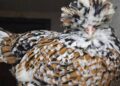
Ornamental breeds are loved for their unusual feathers, colours, crests, personalities, and appearances.
Popular ornamental chickens include:
- Polish
- Silkies
- Sultans
- Frizzles
- Sebrights
- Belgian d’Uccles
Some ornamental breeds do require additional care.
For example, heavily crested chickens such as Polish may have limited vision because of their feathers. Feather-footed breeds can also require extra attention during wet, muddy, or snowy conditions.
Researching these characteristics before purchasing a breed will help you know exactly what you’re signing up for.
Think About Broodiness
Do you eventually want your hens to hatch chicks naturally?
If so, broodiness may actually be something you want!
Some breeds are more likely than others to become broody.
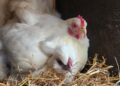
Silkies and Cochins, for example, have a reputation for being enthusiastic mothers.
A broody hen will typically stop laying while she attempts to hatch eggs and may remain in the nesting box for much of the day.
If maximum egg production is your goal, frequent broodiness may be inconvenient.
If you’d love to hatch chicks naturally, however, a good broody hen can be wonderful to have.
Don’t Forget About Roosters
If you’re purchasing unsexed chicks, hatching your own eggs, or buying certain breeds, there’s always a possibility you’ll end up with roosters.
Before getting chickens, check whether roosters are permitted where you live.
Rooster temperament varies enormously between individual birds.
A good rooster can watch over his hens, alert the flock to potential danger and play an important role if you’re breeding chickens.
But roosters aren’t required for hens to lay eggs.
You only need a rooster if you want fertile eggs—not for egg production itself.
Can Different Chicken Breeds Live Together?
Absolutely!
A mixed flock can be beautiful, and many backyard keepers have several different breeds living together successfully.
However, size and temperament should be considered.
Very small, timid or heavily crested birds may sometimes struggle when housed with significantly larger or more assertive chickens.
Always watch flock dynamics when introducing new birds and provide plenty of:
- Feeding space
- Watering stations
- Roosting space
- Hiding areas
- Room to move away from dominant birds
Every flock establishes a pecking order, but persistent bullying shouldn’t be ignored.
Research Breeders and Sellers
Choosing where your chickens come from is just as important as choosing the breed.
Before purchasing birds or hatching eggs, research the seller and ask questions.
You may want to ask about:
- Parent flock health
- Age of the birds
- Vaccination history, if applicable
- Breed characteristics
- Whether chicks are sexed or unsexed
- How the birds have been housed
- Biosecurity practices
Be cautious about introducing new adult birds directly into your existing flock. New birds can potentially introduce parasites or disease even when they appear perfectly healthy.
Having a quarantine plan before purchasing additional birds is a smart part of flock management.
Don’t Choose Based on Appearance Alone
We know. It’s hard.
You see a gorgeous chicken with fluffy feet, wild feathers and a spectacular crest and immediately think:
I NEED THAT CHICKEN.
We’ve been there.
But take a few minutes to research the breed first.
Ask yourself:
Will this breed tolerate my climate?
Do I have enough space?
Does its temperament suit my existing flock?
Does it require special grooming or care?
Is egg production important to me?
Am I prepared for broodiness?
Will this chicken fit my family’s lifestyle?
If the answers work for you, then go ahead and fall in love with that ridiculous fluffy chicken.
There Is No Perfect Breed
One of the best things about keeping chickens is discovering which breeds you love.
Some people fall in love with dependable laying hens. Others adore giant fluffy Cochins. Some can’t resist tiny bantams, while others discover that ornamental chickens with enormous personalities are their absolute favourites.
And many of us start by saying:
“We’re just getting a few chickens.”
Then somehow there’s another coop.
And another breed.
And an incubator.
And suddenly you’re discussing feather genetics with someone at 10 o’clock at night.
Chicken math is real.
The important thing is to choose breeds that suit your environment and your expectations, then provide them with proper housing, nutrition, protection and care.
Do your research, start with a manageable flock, and don’t be afraid to learn as you go.
You may start raising chickens for the fresh eggs—but don’t be surprised if you end up loving the chickens even more.
Happy chicken keeping! 🐔❤️