
There’s something special about stepping outside each morning, hearing the gentle clucking of your flock, and collecting fresh eggs straight from the nesting box. Backyard chickens are rewarding, entertaining, and surprisingly full of personality. Whether you’re interested in fresh eggs, sustainable living, or simply want unique pets, raising chickens is a hobby that can bring years of enjoyment.
If you’re just getting started, don’t worry—every experienced chicken keeper was once a beginner. This guide will walk you through the essentials to help you start your flock with confidence.
Why Raise Chickens?
People choose to raise chickens for many different reasons, including fresh eggs
- Friendly, entertaining pets
- Teaching children responsibility
- Natural pest control
- Composting kitchen scraps
- Gardening benefits through manure
- Self-sufficiency and homesteading
Chickens are curious, intelligent birds with individual personalities. Many enjoy interacting with their owners and can become surprisingly affectionate.
Check Local Rules First
Before bringing home chickens, make sure they’re allowed where you live.
Check your local municipality for:
- Number of chickens permitted
- Whether roosters are allowed
- Coop setback requirements
- Noise regulations
- Registration or permit requirements
Knowing the rules beforehand can save you headaches later.
Choosing the Right Breed
Different breeds have different strengths.
Great Egg Layers
- Leghorn
- ISA Brown
- Rhode Island Red
- Australorp
Friendly Family Breeds
- Orpington
- Cochin
- Silkie
- Plymouth Rock
Cold-Hardy Breeds
- Wyandotte
- Chantecler
- Brahma
Ornamental Breeds
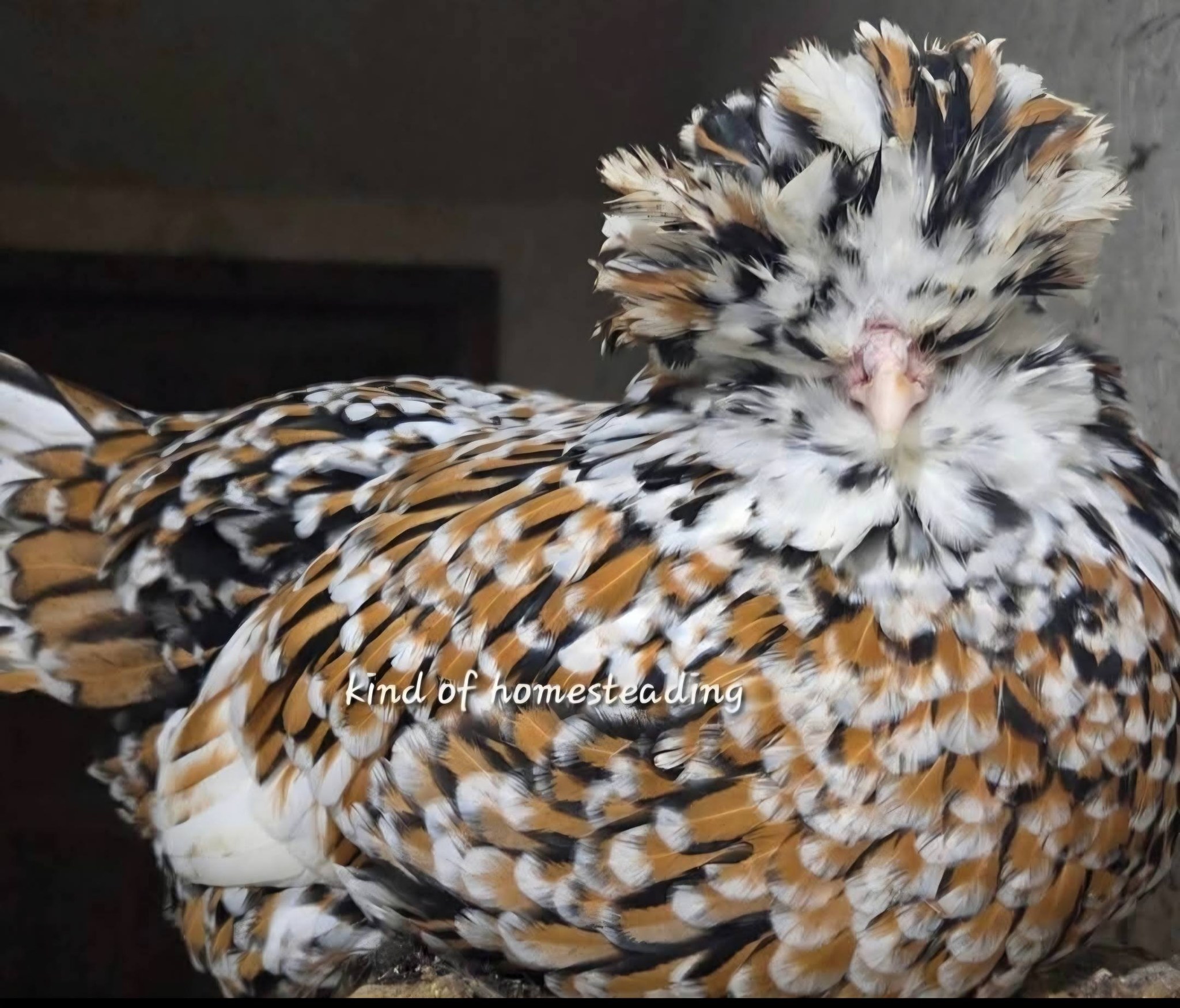
- Polish
- Houdan
- Frizzle
- Sultan
Think about your goals before choosing your flock. Are you mainly interested in eggs, pets, breeding, or beautiful birds?
Chicks or Adult Hens?
Day-Old Chicks
Pros:
- Bond with them from the beginning
- Less expensive
- Large breed selection
Cons:
- Require heat
- More daily care
- Wait several months before eggs
Started Pullets
Pros:
- Easier for beginners
- Close to laying age
- Less intensive care
Cons:
- More expensive
- Smaller selection
Preparing the Coop
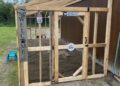
Your chickens need a safe, dry, well-ventilated home.
A good coop should include:
- Predator-proof construction
- Proper ventilation
- Nesting boxes
- Roosting bars
- Easy access for cleaning
- Dry bedding
- Secure doors and locks
Provide at least:
- 4 square feet of coop space per chicken
- 8–10 square feet of outdoor run space per chicken
More space almost always leads to happier birds.
Essential Supplies
Before your chickens arrive, gather:
- Chicken feed
- Feeders
- Waterers
- Bedding
- Nesting material
- Heat plate or brooder (for chicks)
- Thermometer
- Grit (when appropriate)
- Oyster shell for laying hens
- Coop cleaner
- First aid supplies
Being prepared makes those first weeks much easier.
Feeding Your Chickens
Proper nutrition is one of the most important parts of raising healthy birds.
Choose feed based on age:
- Chick Starter
- Grower Feed
- Layer Feed
Always provide:
- Clean, fresh water
- Quality feed
- Oyster shell for laying hens
- Grit when birds eat foods other than commercial feed
Treats should only make up a small portion of their overall diet.
Daily Care
Healthy chickens don’t require hours of work each day.
A simple daily routine includes:
- Refresh water
- Check feed
- Collect eggs
- Observe your birds
- Remove obvious waste
- Ensure everyone appears healthy
Most problems are easiest to solve when caught early.
Keeping Chickens Healthy
Watch your flock every day.
Healthy chickens are generally:
- Bright-eyed
- Alert
- Active
- Eating and drinking normally
- Clean around the vent
- Smooth breathing
- Standing comfortably
Signs something may be wrong include:
- Lethargy
- Not eating
- Labored breathing
- Pale combs
- Diarrhea
- Weight loss
- Limping
- Swollen eyes
If something doesn’t seem right, isolate the affected bird if necessary and investigate promptly.
Protecting Against Predators
Predators are one of the biggest challenges for chicken keepers.
Common predators include:
- Raccoons
- Foxes
- Coyotes
- Hawks
- Owls
- Weasels
- Dogs
Protect your flock by:
- Locking the coop every night
- Using hardware cloth instead of chicken wire for enclosures
- Securing doors with predator-resistant latches
- Covering outdoor runs when possible
- Regularly inspecting for weak spots
Understanding Chicken Behavior
Many new owners worry when chickens display perfectly normal behaviors.
Examples include:
- Dust bathing
- Pecking order disputes
- Molting
- Sunbathing
- Scratching the ground
- Quiet clucking while laying eggs
Learning what’s normal helps you recognize when something isn’t.
Winter Care
If you live in a colder climate, your flock will need some seasonal adjustments.
During winter:
- Keep water from freezing
- Maintain good ventilation
- Keep bedding dry
- Remove snow from entrances
- Increase bedding if needed
- Avoid sealing the coop completely
Healthy chickens tolerate cold much better than damp conditions.
Common Beginner Mistakes
Many first-time owners make the same mistakes.
Avoid:
- Buying too many chickens at once
- Overfeeding treats
- Ignoring coop ventilation
- Waiting too long to address illness
- Using chicken wire as predator protection
- Not researching breeds beforehand
- Forgetting fresh water during freezing weather
Remember, mistakes happen. Every flock owner learns through experience.
Enjoy the Journey
Raising chickens is a continual learning experience. Every flock is unique, and every season brings new lessons. The more time you spend observing your birds, the more you’ll understand their personalities, routines, and needs.
Don’t be afraid to ask questions, continue learning, and enjoy the process. Before long, you’ll wonder how you ever lived without a flock of your own.
Welcome to the wonderful world of chicken keeping—and happy homesteading!